Introduction
G’day folks! If there’s one iconic symbol that captures the essence of Australia’s heart both geographically and culturally, it’s Uluru, also known affectionately as Ayers Rock. This massive sandstone monolith stands as a central figure in the Red Centre Northern Territory’s arid landscape, offering more than just a stunning visual; it’s a profound cultural touchstone for the Aboriginal people. Nestled in the expansive Uluru-Kata Tjuta National Park, Uluru is not just a rock; it’s a living cultural landscape interwoven with ancient stories, spiritual traditions, and rich biodiversity. This article explores the multifaceted nature of Uluru, delving into its geological formation, the surrounding national park features, and its inextricable link to Indigenous culture and spirituality.

Location and Geological Marvels
The Heart of Australia
Uluru’s remote location in the Northern Territory underscores its significance as a natural wonder within the Australian continent. The nearest urban hub is Alice Springs, a significant outpost that serves as a gateway for those venturing into this expansive and rugged part of the country. The journey from Alice Springs to Uluru is a passage through ancient lands that have been shaped by millennia of ecological and geological activity.
Ayers Rock: A Geological Formation
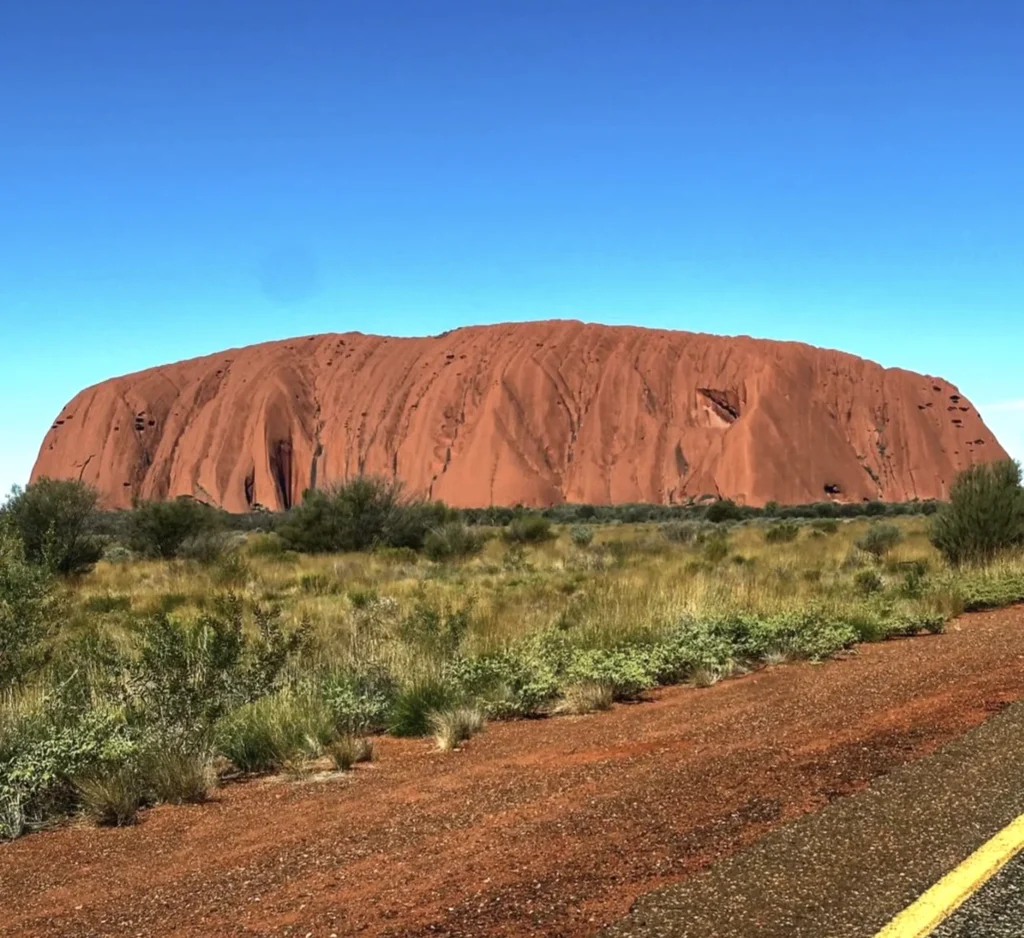
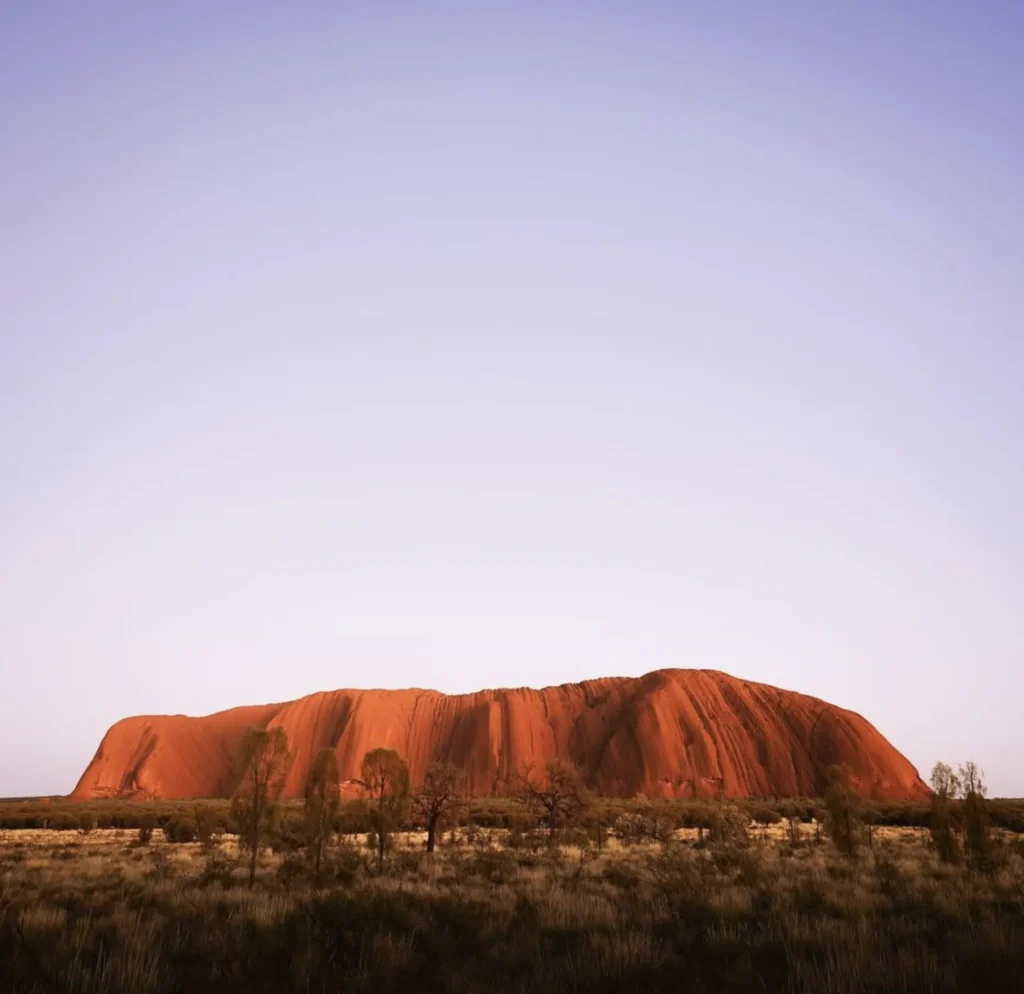
Understanding Uluru’s formation involves peering back into geological time, around 550 million years ago during the Alice Springs Orogeny. Originally, the region was a vast floodplain, where sands and silts were deposited, compressing into rock over ages. This sandstone is particularly rich in iron, hence its striking reddish colour, especially visible during sunrise and sunset. Geologists describe Uluru as an inselberg or island mountain, an isolated hill that rises abruptly from a flat plain.

Uluru-Kata Tjuta National Park
Landscapes Beyond the Rock
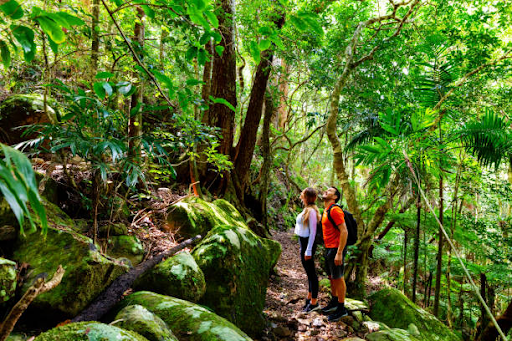
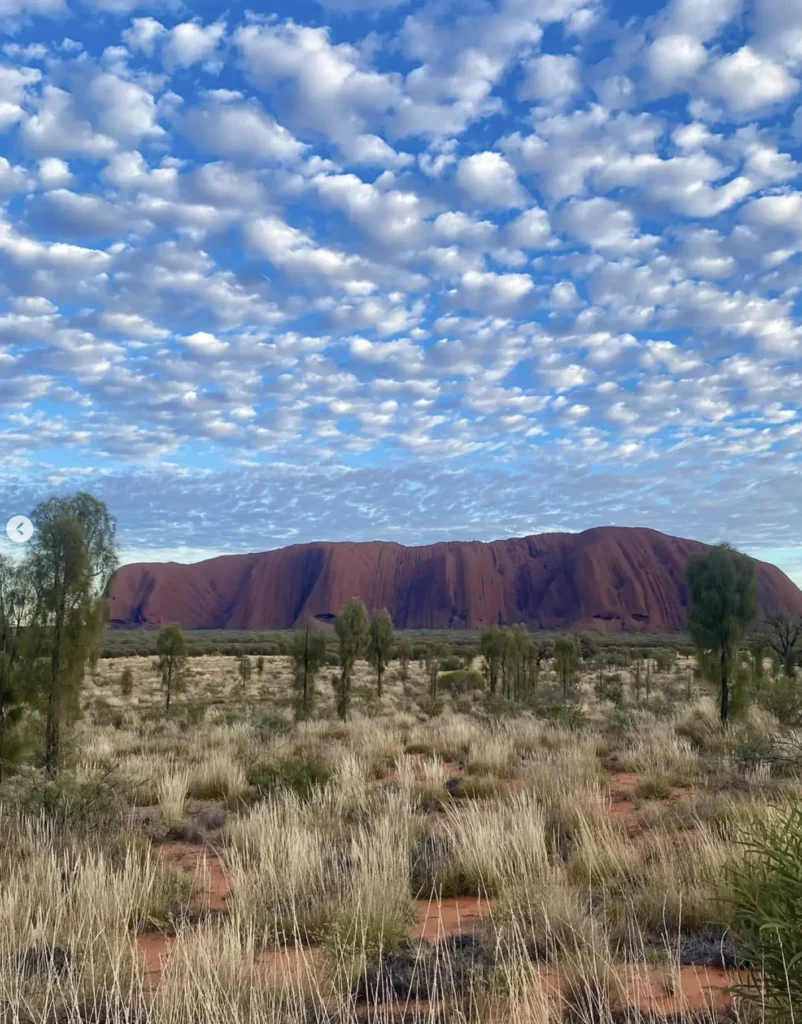
The park’s landscape is characterized by vast, open desert plains, rugged rock formations, and a surprising diversity of flora and fauna adapted to the harsh arid environment. Visitors to the park can explore several well-marked walking trails that offer intimate encounters with this ancient land, ranging from easy strolls to more challenging hikes.
Comparison with Other National Parks
When compared to other Australian national parks like Kakadu or the Royal National Park, Uluru-Kata Tjuta holds a unique position due to its spiritual and cultural significance, aside from its natural features. Unlike parks with lush rainforests or extensive coastal shores, Uluru-Kata Tjuta’s allure lies in its profound cultural landscape and the stories embedded within its terrain.
Cultural Tapestry of Uluru
Sacred Stone: The Aboriginal Connection
For thousands of years, Uluru has been a part of the Anangu lifestyle, serving as a focal point in their cultural geography. The rock’s numerous caves and indentations hold ancient rock art, which tells the stories of the ancestral beings who shaped the landscape. For the Anangu, Uluru and the surrounding land are imbued with spiritual significance that predates recorded history.
Guardians of the Rock
The management of Uluru-Kata Tjuta National Park is a model of cooperative management involving the Anangu people and the Australian government. The Anangu have lived in this region for thousands of years, and today, they work alongside park authorities to preserve their heritage and the natural environment. This partnership aims to ensure that visitors respect the sacred sites and understand the cultural values associated with them.
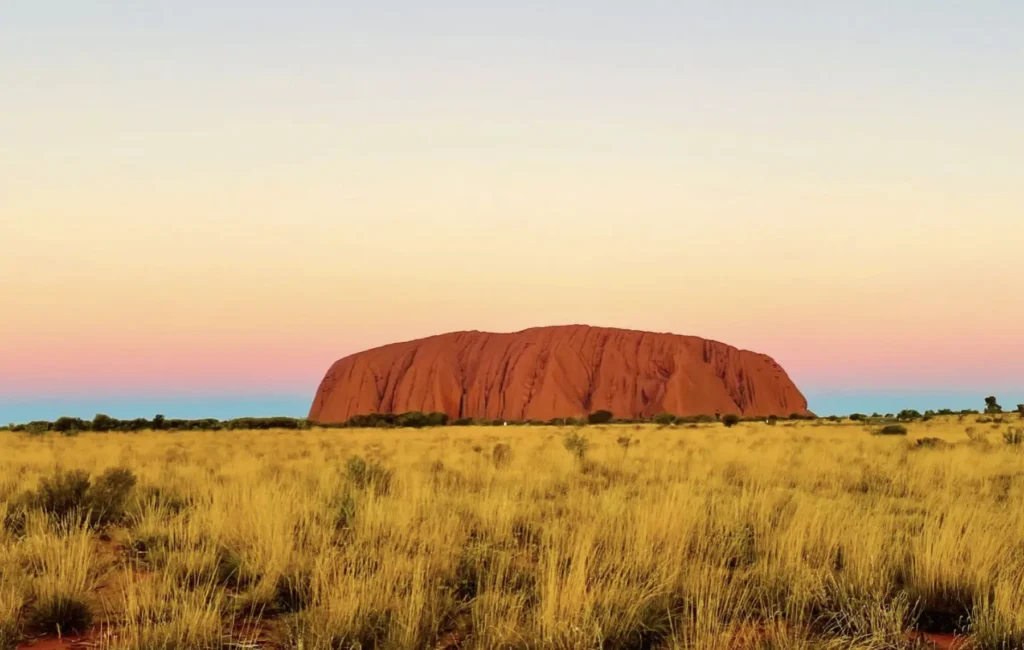
Table: Key Features of Uluru-Kata Tjuta National Park
| Feature | Description | Cultural Significance |
|---|---|---|
| Uluru | World’s largest monolith, central to Anangu culture | Sacred site, involved in Dreamtime stories |
| Kata Tjuta | Group of large domed rock formations | Holds spiritual significance, less known than Uluru |
| Cultural Tours | Guided walks that explain the Anangu traditions | Helps preserve and pass on Aboriginal traditions |
Aboriginal Legends and Dreamtime Stories
Myths Carved in Stone
Dreamtime stories associated with Uluru detail the journeys and battles of ancestral beings like the Mala (rufous hare-wallaby) people, who left marks on the rock that are still visible today. These stories provide explanations for the physical features of Uluru and its surroundings, imbuing the landscape with a narrative depth that enriches the visitor experience. These tales are an essential aspect of the oral tradition, vital for the education of young Aṉangu and for sharing knowledge with non-Indigenous people.
Keeping Culture Alive Through Stories
The storytelling tradition serves as a critical means of preserving Aboriginal cultural heritage. Through narratives, the Aṉangu pass on important lessons and cultural values, ensuring their way of life persists despite external pressures and modern influences. The act of storytelling also reinforces the community’s connection to Uluru, ensuring that each new generation respects and understands their responsibility to this sacred place.
Modern Management and Conservation Efforts
Co-Management Strategies
The co-management arrangement involves balancing visitor interests with the preservation of the site’s cultural and environmental integrity. Strategies include controlled access to sensitive areas, educational programs about Aṉangu culture and environmental conservation, and rigorous scientific monitoring of ecological health. This approach not only protects the site but also provides a model for other conservation efforts worldwide.
Ecotourism and Cultural Education
Uluru is a focal point for ecotourism in Australia, drawing visitors who are interested not only in the landscape but also in learning about Indigenous culture and sustainable travel practices. Uluru Tours led by Aṉangu guides offer authentic insights into the traditional uses of the land, stories associated with various sites, and the Aṉangu’s contemporary life.
Conclusion
Uluru stands not merely as a geological wonder but as a profound cultural symbol, deeply woven into Australia’s fabric. The preservation of its physical and spiritual aspects remains a testament to the resilience of the Aṉangu culture and the shared commitment of Australians to safeguarding this heritage. As visitors, understanding and respecting the significance of Uluru is essential to appreciating not just the rock itself but the broader cultural narratives it represents.
FAQs
- Why is Uluru considered sacred by Aboriginal Australians?Uluru is considered sacred because it is central to the Aṉangu’s creation stories and spiritual practices. It is seen as a repository of ancestral power and a place where the Earth’s energy is concentrated.
- Can visitors still climb Uluru?No, climbing Uluru was officially banned in October 2019. This decision respects the site’s sacred status and the Aṉangu’s wishes, who have long requested that visitors refrain from climbing.
- What is the best time of year to visit Uluru?The best times to visit Uluru are during the cooler months of April to September when temperatures are more moderate, making outdoor activities more comfortable.
- How can tourists respectfully visit Uluru?Tourists can show respect by adhering to local guidelines, such as not climbing Uluru, staying on marked paths, not taking photographs of restricted areas, and participating in cultural tours to understand the Aṉangu’s perspectives and customs.
- What are some must-see features in Uluru-Kata Tjuta National Park besides Uluru?Besides Uluru, visitors should explore Kata Tjuta (the Olgas), which are a group of large, domed rock formations that also hold great cultural significance and offer spectacular hiking opportunities.