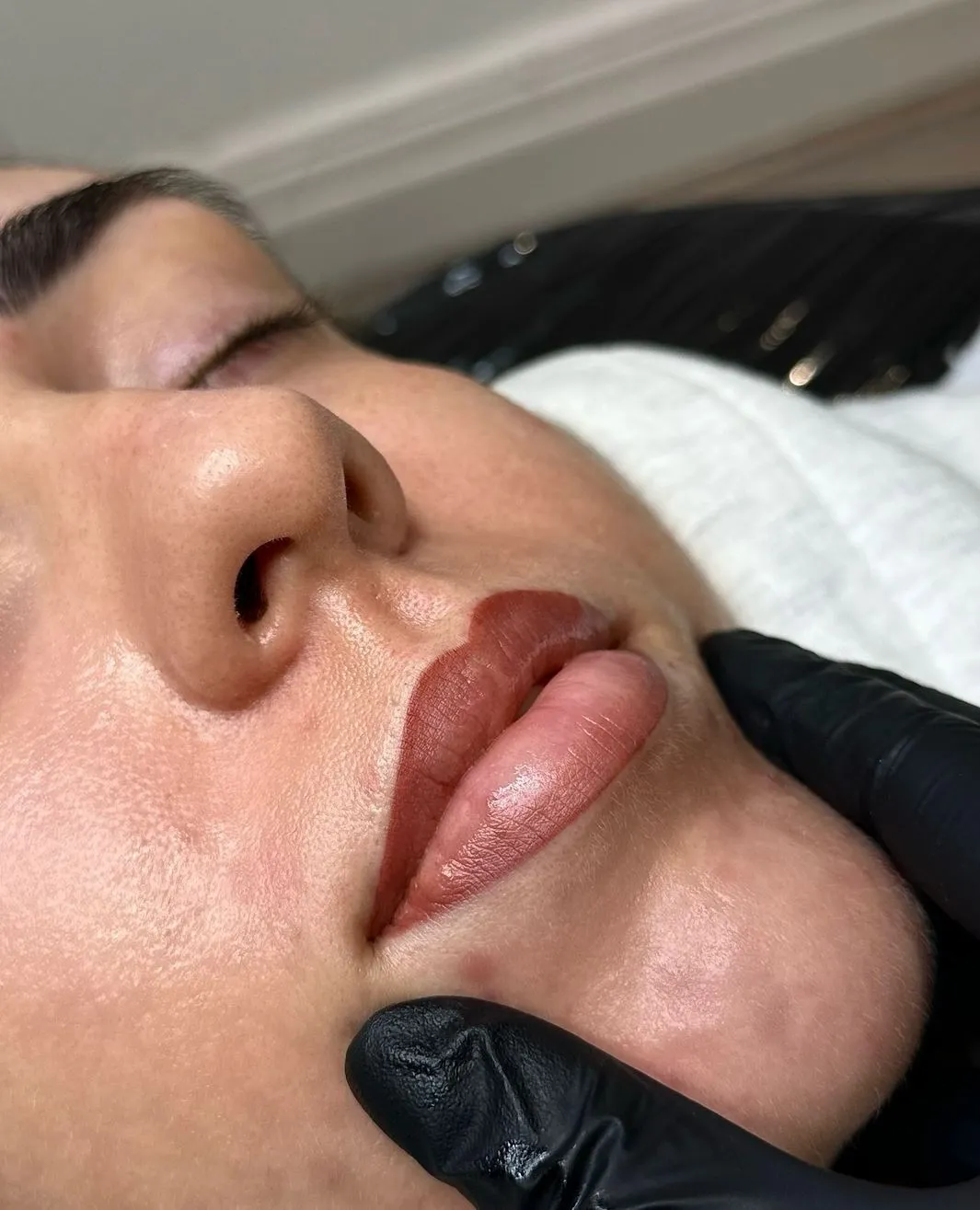
So you have a black tattoo — maybe it was a bold statement in your 20s, or maybe it’s just not you anymore. Whatever the reason, if you’re asking, Is it possible to completely remove a black tattoo?, you’re not alone. I get this question all the time at Cosmetic Tattoo Melbourne Studio Face Figurati from clients in Melbourne who are looking to start fresh. And I’ll be honest with you — removing a black tattoo is possible, but it’s not magic.
Let’s go through the tattoo removal process together, from what laser treatments actually look like to what kind of results you can expect.
Black Ink Is the Easiest to Remove
Of all tattoo inks, black ink breaks down the fastest during laser tattoo removal — and that’s good news. The ink particles absorb the laser light wavelength best, especially with modern laser technology like picosecond or Q-switched systems. But don’t get too excited just yet.
Black pigment responds best, but complete removal still depends on:
- The ink depth in your skin layers
- The age of the tattoo (older ink colours fade faster)
- Your immune system, especially how well your white blood cells and lymphatic system flush out shattered pigment
- Whether the tattoo was done by a professional tattoo artist or an amateur
- Your skin type and skin tone (both matter for avoiding side effects like pigmentation issues)
- Your skin condition and any history of scarring
Before, During & After: Real Results
Here’s the truth: when someone asks, Can I get this 100% gone? — I say, Maybe, but let’s talk about what gone means to you.
Some black tattoos fade so well that the average person wouldn’t notice unless they were really looking. But total erasure (like your skin never had ink) isn’t guaranteed.
You may end up with:
- 90–95% fading, with ghosting or slight shadowing left in the skin layers
- Slight changes in skin pigmentation or texture (especially if the ink was deep or layered)
- Minor scarring if the original tattoo or post-laser care wasn’t ideal
But I’ve seen amazing results — especially on smaller black tattoos treated with the right laser equipment and healing support.
Laser Is the Gold Standard
If you’re serious about tattoo removal, laser is the way to go. But not all lasers are created equal. At Cosmetic Tattoo Melbourne Studio Face Figurati, I send my clients to trusted Melbourne clinics that use picosecond and Q-switched Nd: YAG lasers — both are perfect for black ink particles without damaging the surrounding skin.
Laser tattoo removal works by delivering short pulses of laser light that break up the ink particles so your body can clear them out. With consistent sessions even stubborn pigment starts to lift.
Laser tattoo removal isn’t just about the machine — it’s about skin tone, ink saturation and how the body heals. That’s why we only recommend trained technicians for the best results.
Here’s a typical breakdown of what you’re in for:
| Factor | Details |
|---|---|
| Number of treatment sessions | 6 to 12 (or more), spaced 6–8 weeks apart |
| Pain level | Similar to getting tattooed, but quicker; numbing or cooling options are available |
| Cost per session | Around $150–$400 in Melbourne, depending on tattoo location and clinic |
| Skin type considerations | Fitzpatrick I–III generally see faster fading; IV–VI require more cautious laser settings |
| Downtime | Redness, crusty areas or blistering for a few days; full recovery between sessions |
The total removal process takes a year or more — and requires patience, consistency and good immune function.
Melbourne Skin and Lifestyle
Living in Melbourne means we get four seasons in one day. That unpredictable weather matters — laser-treated skin is highly sensitive to sun exposure so winter is often the best time to start removal. Plus with more of us working hybrid jobs or from home, downtime is easier to manage.
But if you’re planning beach holidays or outdoor events we’ll need to time sessions around those. Sun-damaged skin can complicate healing and increase the risk of pigmentation changes or side effects like blistering and prolonged redness.
Aftercare: The Make or Break Factor
I always say removal is 60% laser pulses 40% post-laser care. You have to treat your healing skin like a fresh tattoo — if not better.
Here’s what I tell my clients:
- Keep the area clean, dry and protected for 48-72 hours
- Avoid exercise, swimming or hot showers while the skin is healing
- Apply recommended healing creams or scar gels to minimise trauma
- Don’t pick, peel or exfoliate crusty areas — let the skin layers do their thing
- Shield the skin from sun exposure with SPF 50+ every day even in winter
The better your aftercare the less chance of scarring and the better the fade.
When Removal Isn’t Your Only Option
Here’s something I remind people of every week: you don’t always need to erase a tattoo completely to feel good about it.
In some cases I’ve helped clients fade a black tattoo enough to safely cover it with cosmetic procedures like microblading or lip tinting — especially if they’re dealing with an outdated or heavy-handed cosmetic tattoo.
Got a blocky eyebrow tattoo that’s outstayed its welcome? We can use laser or saline removal to gently fade it then correct it with modern hairstrokes and subtle shading. A good fade is often enough to open up options for a gorgeous refresh not just a cover-up tattoo.
Laser tattoo removal is also a great way to prep the skin if you’re planning a complete redesign with a new tattoo artist. Clean canvas, clean outcome.
At Cosmetic Tattoo Melbourne Studio Face Figurati we often work alongside removal clinics to ensure your next cosmetic tattoo or cover up is placed on clean healthy skin.
Real Client Snapshot
A few months ago I worked with a Melbourne client who had a small black tattoo on her wrist – her ex’s initials, no less. It was 10 years old and professionally done with concentrated tattoo pigment. She wanted it gone before her wedding.
We referred her to a trusted laser technician and after 8 sessions and great aftercare it’s barely visible. There’s a slight shadow in certain lights but the contrast against her natural skin tone is minimal.
Her words? “Honestly, I feel free. I don’t think about it anymore.”
Tattoo Trends and Laser Stats for 2025
According to the 2025 Australian Beauty & Aesthetic Trends Report:
- Black ink tattoos are still the most common type of tattoos removed
- 71% of laser removal clients cite emotional or lifestyle changes as their reason
- 64% seek laser tattoo removal for professional reasons (career changes, uniform visibility, etc.)
- Clients who combine laser treatments with skincare and immune-boosting habits see 30-50% better results
That last stat? It’s huge. When your immune cells are healthy and active they work harder to clear out those ink particles – and that means faster fading.
Final Thoughts from Olha Po
So — Can you completely remove a black tattoo? In many cases yes. But it takes time, the right laser therapy, proper treatment instructions and realistic expectations.
At Cosmetic Tattoo Melbourne Studio Face Figurati I’m always happy to chat through options if your cosmetic tattoo is part of the picture — especially if you’re considering fading brows or eyeliner for a rework. Not every tattoo needs to be erased to feel renewed.
Got questions about fading, colour of the ink or chemical peel vs laser? Reach out — I’ll walk you through it step by step.
FAQ
Does laser tattoo removal leave scars?
Rarely if done correctly and aftercare is followed. However previous scar tissue or poor post-laser care can leave texture.
How long do I have to wait between laser sessions?
6-8 weeks. This allows your immune system (and especially your lymphatic system) to flush out ink fragments effectively.
Can I remove a black tattoo on dark skin?
Yes, but skin type and pigmentation risks must be considered. A skilled technician will adjust laser pulses accordingly.
Is it cheaper to fade a tattoo than remove it completely?
Yes. Fewer treatment sessions are needed to prep for a cover-up tattoo or cosmetic correction.
What’s the best time of year to start laser removal in Melbourne?
Autumn and winter — less sun exposure means safer healing and reduced risk of pigmentation shifts.