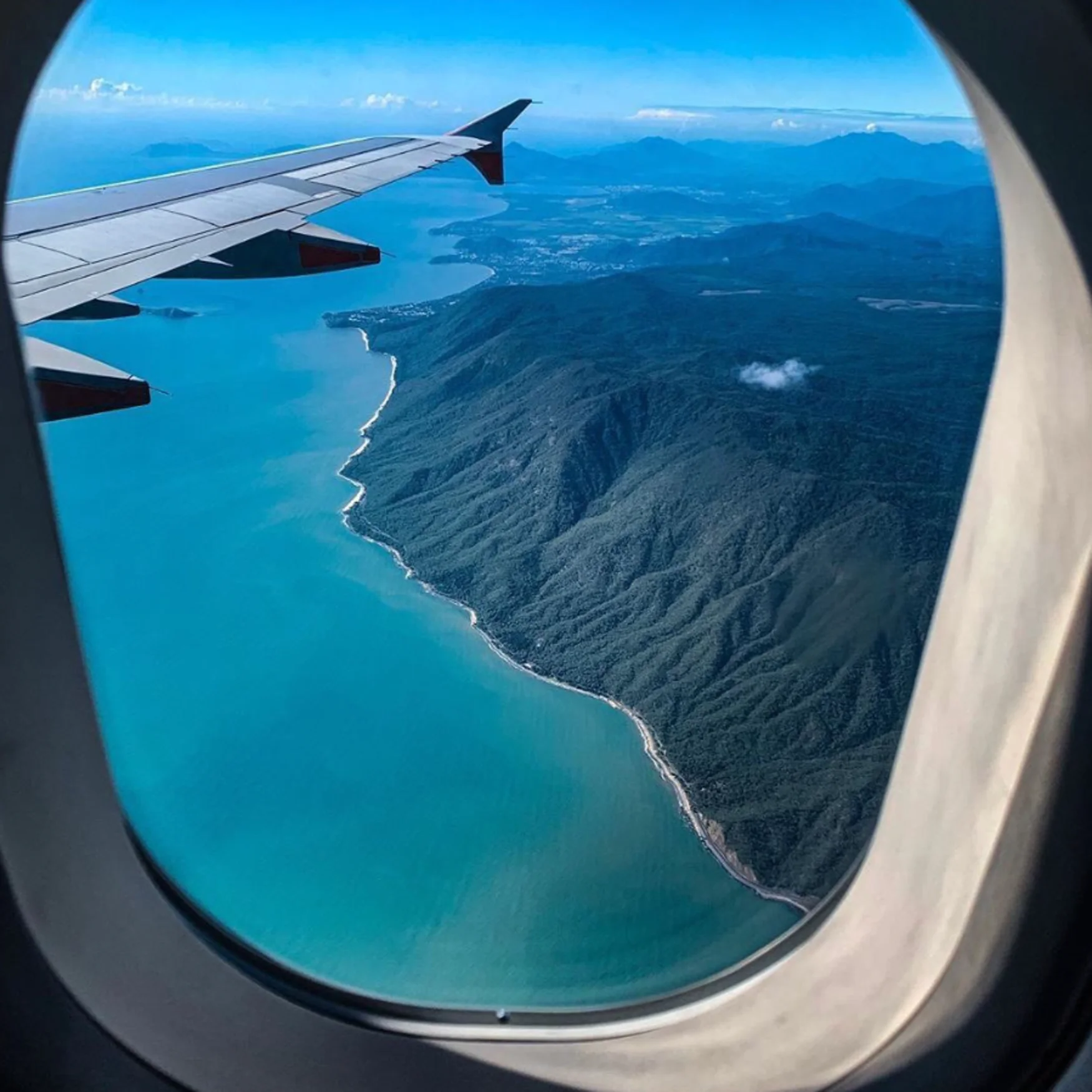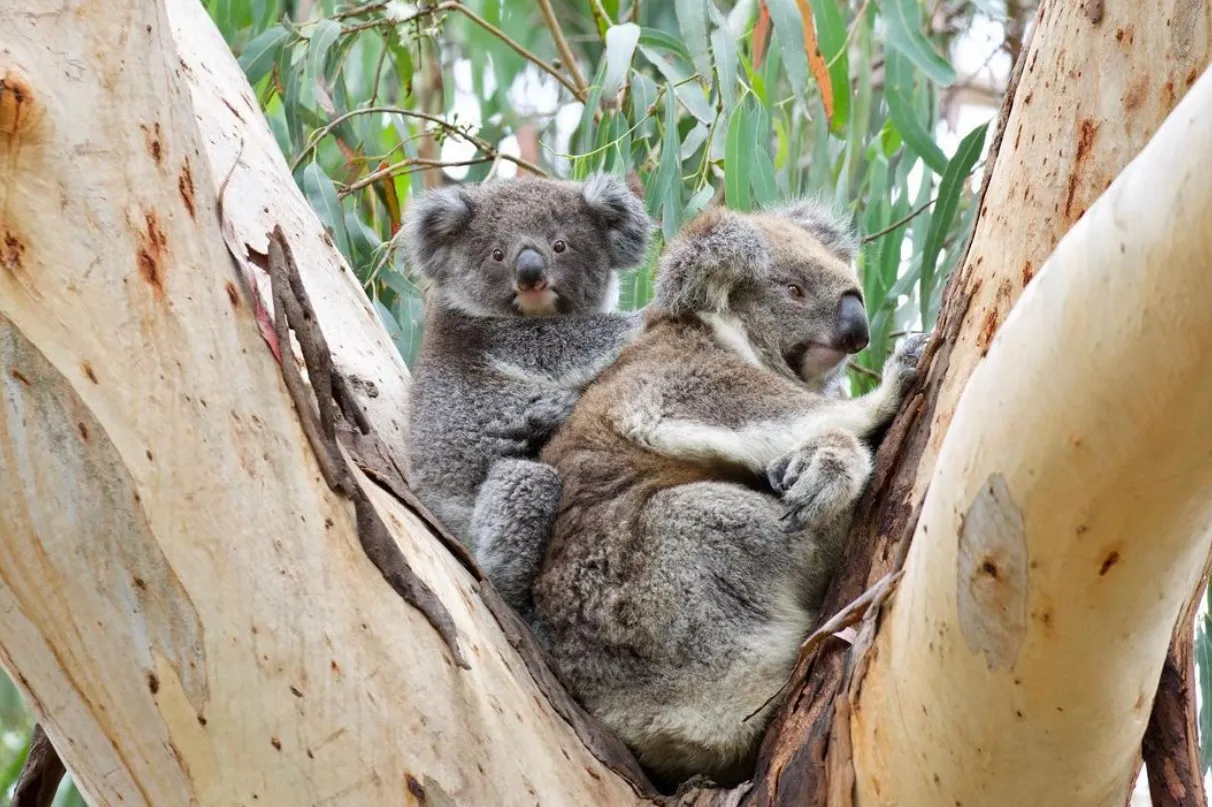
The Great Ocean Road stretches along Victoria’s rugged southern coast, providing not only amazing views but also a prime spot for wildlife enthusiasts who want to see some of Australia’s most iconic creatures. From the magnificent blue whales to the playful swamp wallabies, this scenic route offers a rare opportunity to see diverse Aussie animals in their habitats. Whether you are an adventurous bird watcher, waiting for the next whale spotting or just don’t mind encountering wild koalas face to face, being on the Great Ocean Road guarantees a wildlife experience as stunning as its landscape.
Whale-watching adventures
During colder months, waters along the Great Ocean Road serve as a home for several whale species, thereby converting the coastline into a virtual whale nursery. Humpbacks and blue whales are often sighted at Apollo Bay and Logans Beach near Port Fairy. These deep-sea giants come close to shore during migration time, resulting in thrilling displays by them. For an unforgettable sight directly from the stunning coastline or on board a whale-watching cruise, remember that June through September is when these whales migrate north from Antarctica.
Spotting the largest animal on earth—a blue whale is always breath-taking! With their massive size and graceful swimming movements that they make while in water, they absolutely depict untamedness that lies beneath our ocean bodies. This area called “the nursery” is particularly known for serving as calving grounds for Southern right whales, where they train their young ones how to swim before heading back south towards cooler waters.
Mischievous Fur Seals and Little Penguins
In addition to marine life spectacle, there are colonies of fur Australian seals around Cape Otway and Port Campbell National Park, which occupy rocky platforms. Often, these cute creatures can be seen basking under the sun or playfully clumsy along the water’s edge; thus, it becomes a wonderful moment for visitors’ eyes. You may also be lucky enough to see little penguins around these parts, especially in the sheltered bays at Marine Reserves. They are the smallest of their kind, and as the sun sets, these penguins come out of water in groups to return to their burrows after a day’s fishing.
Kangaroo and Koala Encounters
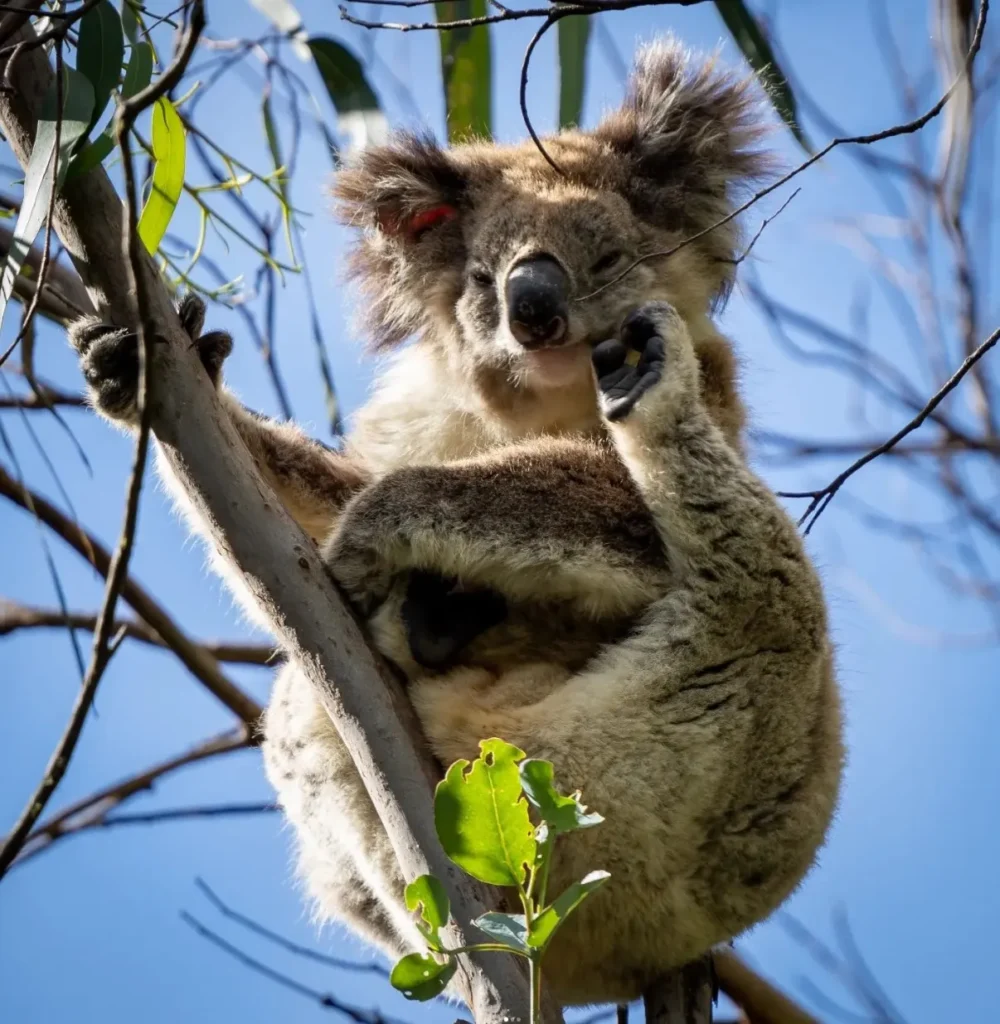
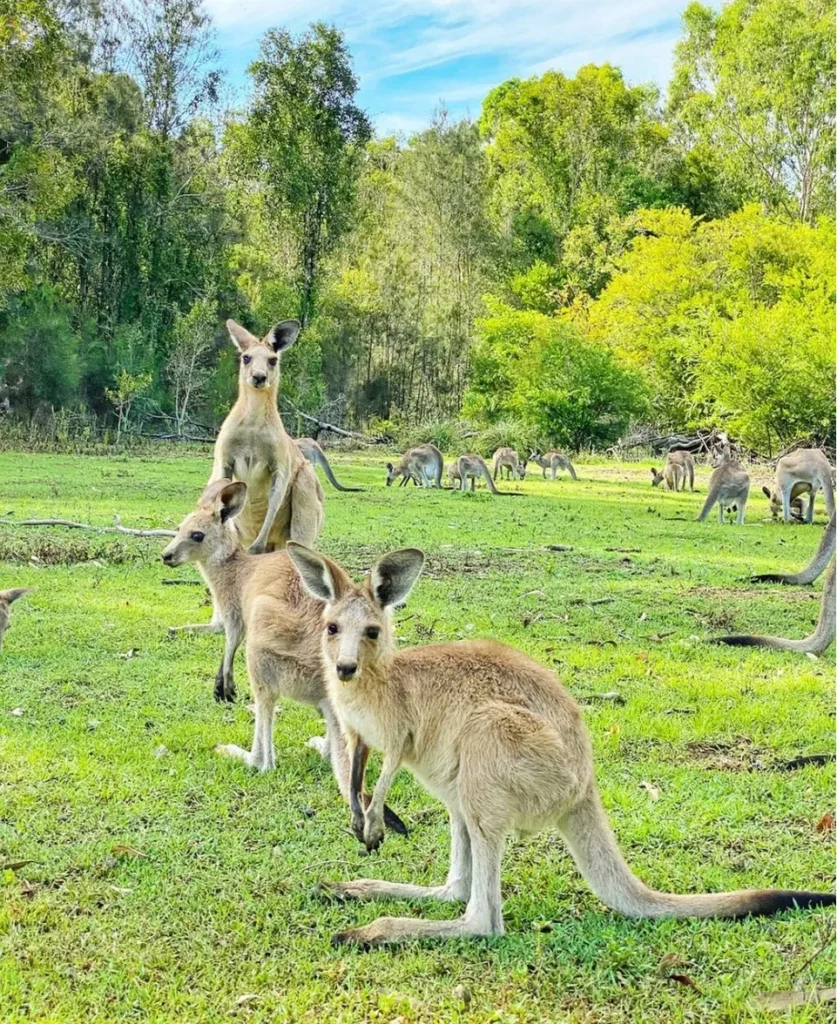
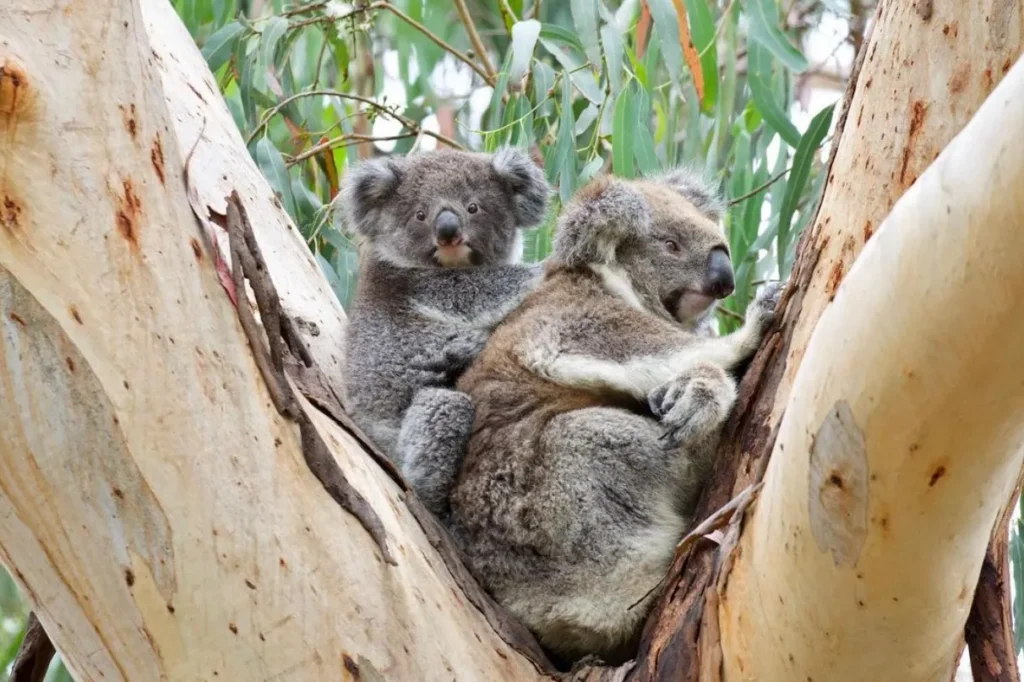
The Great Ocean Road cuts through different environments making it ideal for observing indigenous fauna such as the grey kangaroo, which is notably larger and more robust than its relatives, and swamp wallabies mostly found on Grey River Road. Wild koalas can often be seen lounging in branches of eucalyptus trees particularly around Bimbi Park or forests near Apollo Bay.
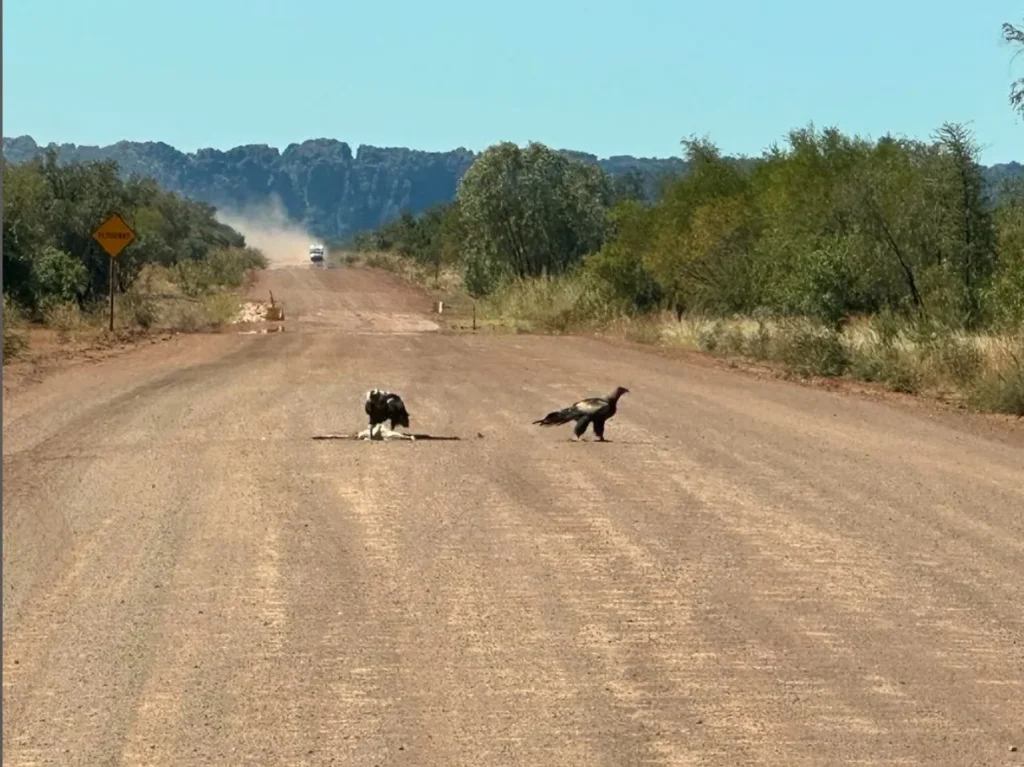
If you want to boost your chance of seeing these characteristic Australian animals, it is highly recommended that you visit them during colder months when they are active all day long. In this way, you will see them peacefully living within native bushland areas along this route. This is where conservation groups have formed lasting partnerships with local communities to ensure these creatures thrive, making it even more important to support conservation efforts while visiting.
To See Kangaroos And Koalas Along The Great Ocean Road:
- Bimbi Park – Camping underneath eucalyptus trees filled with koalas
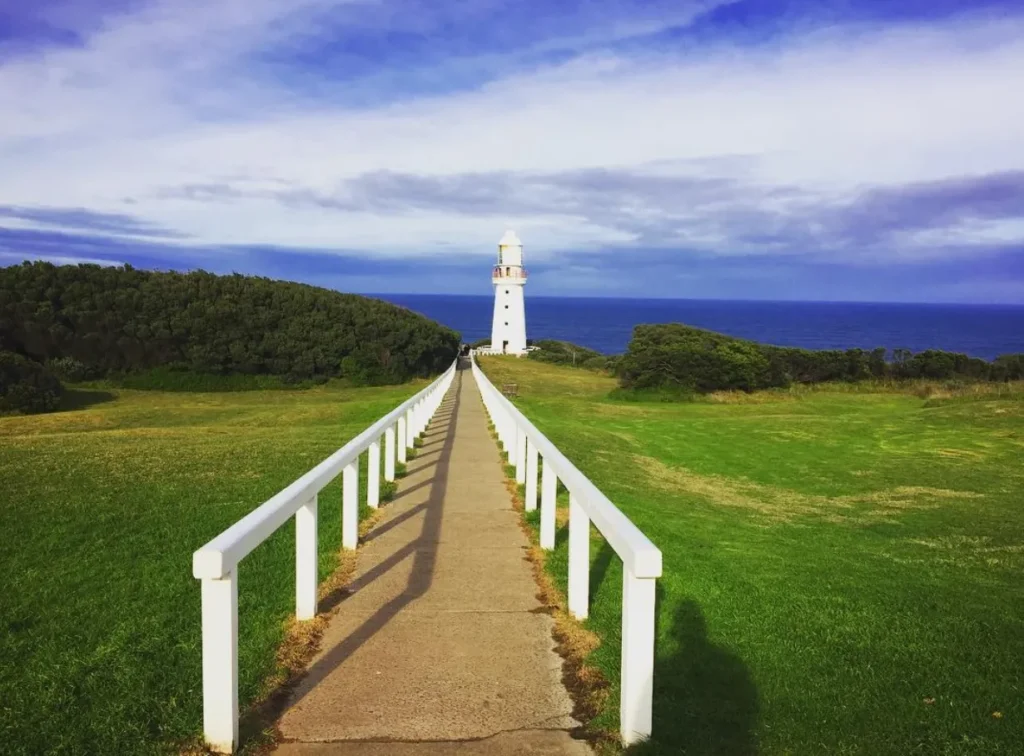
- Otway Lightstation Road – A quiet spot where kangaroos often graze at dusk
The area’s bird life adds another attraction to the ongoing study of Australian wildlife. The choice of native birds that a bird watcher could see here is quite impressive. From laughing kookaburras to splendid parrots to rare encounters with powerful owls, this place has a wide variety and beauty in its bird life.
This detailed exploration into marine and terrestrial wildlife enhances the visitor experience by highlighting the importance of natural habitat conservation along Great Ocean Road. Every sighting shows how rich its ecosystem is as well as what it takes for anyone to sustain it.
Night-Time Marvels: Glow Worms at Melba Gully
One such nocturnal activity along the Great Ocean Road is seeing glow worms at Melba Gully, known as “Jewels of the Otway”. At night, this place becomes alive when these little creatures emit their luminescent light, illuminating path diversions within a realistic, enchanting atmosphere along walking trails. Located in the Great Otway National Park, noted for its dense rainforest and rich biodiversity, Melba Gully sets an ideal wet environment for thriving glow worms. Visitors are advised to use minimal light on their way so that they get a better opportunity to view these amazing insects, which are also termed fungus gnat larvae.
The sight is surreal because these worms’ light gives a ghostly but beautiful appearance on trees covered with mosses and streams below them. It feels like we have stepped into a natural galaxy made up of living tiny stars. This event provides excellent teaching opportunities about ecosystems’ fragility or why such habitats are worth conserving. Local guides often share insights about the life cycle of glow worms and their role in the ecosystem, enhancing the educational value of the visit.
Conservation Efforts in the Region
It is paramount that the natural environment along Great Ocean Road be protected not only for future generations’ enjoyment but also for indigenous animal survival. Various local and national groups are engaged in conservation work ranging from wildlife health monitoring to habitat restoration. These activities go a long way in safeguarding tourism and development pressures on wildlife’s homes.
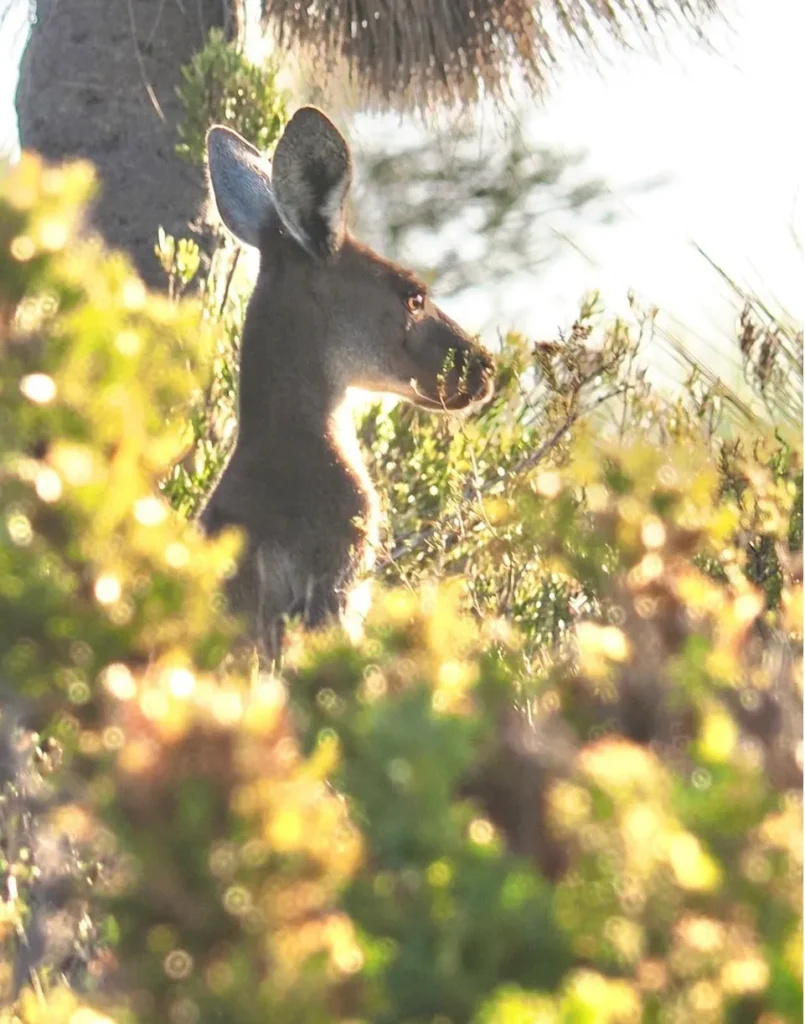
Visitors can use numerous ways to assist these initiatives, such as adopting wildlife-friendly practices, including not approaching awesome animals closely, moving within indicated areas, and avoiding feeding wild animals. Alternatively, one might consider volunteering or donating to local wildlife conservation programs. By doing this, tourists create long-term relationships with conservators, hence making them develop a mutual commitment towards maintaining Great Ocean Road’s peculiar ecological inheritance alive among themselves and nearby communities.
Family Fun: Farm Animals and Group Activities
Along the Great Ocean Road, there are opportunities for families to interact with farm animals as well as take part in some group activities that offer both fun and education. Several farms along the way have interactive sessions where kids can learn about running a farm or feed animals among other activities such as milking cows. In turn, these experiences provide a hands-on way of learning about Australian agriculture and sustainable farming.
Besides, there are group activities like guided wildlife tours and conservation workshops that allow families to understand the ecosystem together. These events are designed to be educational but interesting so that participants realize how important their surroundings are. It is through these structured family outings that people get to acknowledge how both natural history and segregation from modern life were relevant for this region.
List of Family-Friendly Activities Along the Great Ocean Road:
- See Interactive Animal Farms – see rural life up close by interacting with its animals.
- Take Guided Eco Tours – involved in safaris for conservation purposes.
- Best Times to Visit for Wildlife Spotting
However, if you want to see whales, then you should go during June-September when it is colder. Equally, during wetter months, when nights become darker and forests become moist, glow worms will be visible.
Wildlife Wonders’ Opening Hours and Tips
It is crucial that you plan your trip properly in order to make the most out of your visit. The opening hours for Wildlife Wonders, for example, are between 9 AM and 5 PM every day but it would be prudent enough checking their website in case there is any change due weather or special events. Visitors are encouraged to wear comfortable walking shoes and bring binoculars for bird watching or spotting awesome animals at a distance.
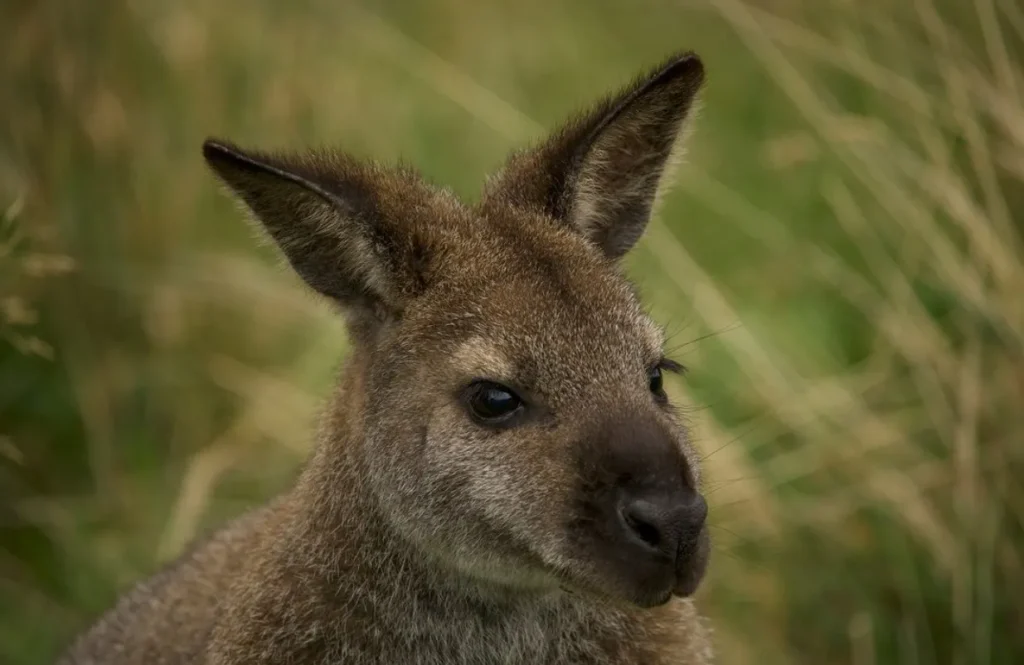
The Great Ocean Road’s rich tapestry of wildlife encounters reflects the varied landscapes it crosses. The iconic route offers incredible moments with beloved Australian creatures, from majestic blue whales to playful fur seals or koalas hidden among tall eucalyptus. These experiences are further enhanced by donating towards local conservation programs, which allow future generations to share in the same natural wonders. From Australian nature enthusiasts to any family that needs some fun, the Great Ocean Road is an amazing place where a good time and new knowledge are guaranteed.
FAQ
What is the best time of year to see whales on the Great Ocean Road?
June to September during their northward migration is perfect for sighting whales.
Are there guided tours available for native wildlife spotting?
Yes, many guided Great Ocean Road tours Australia on wildlife spotting give expert commentaries and chances of seeing animals increase.
What equipment should I carry when going to watch animals?
You should have with you binoculars, a camera, walking shoes and clothes appropriate for weather conditions.
How can tourists contribute towards conserving local fauna?
By following park regulations, participating or contributing to conservation projects as well as undertaking responsible tourism.
Can I see all these animals at once as I go along the Great Ocean Road?
In spite of not being able to assure a person that he or she will be able to see every animal, you can, however, plan your visit around specific times and locations so as to maximize wildlife spotting.